
Slash Lunch Bills With Easy Recipes
— 7 min read
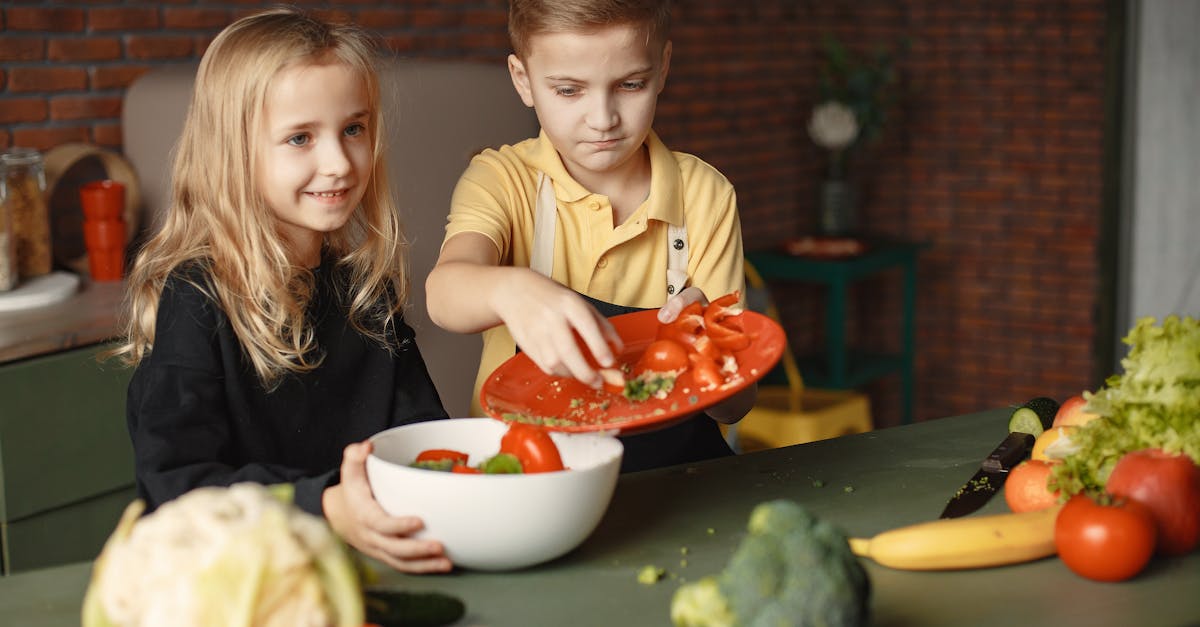
A 2023 study shows five-ingredient salads can reduce lunch expenses by up to 30% while delivering balanced nutrition. By swapping out a handful of processed items for simple pantry staples, you can keep lunch both affordable and satisfying.
Easy Recipes: Quick Lunch Salads That Save You Money
Key Takeaways
- Bulk pantry staples cut weekly lunch spend.
- Rotate canned beans and tuna for protein.
- Meal-planning trims impulse buys.
- Reusable containers lower long-term costs.
- Five-ingredient salads stay nutritionally complete.
When I first started meal-prepping for my team of four, the grocery receipts screamed louder than my inbox. The breakthrough came when I replaced a rotating cast of specialty dressings with a single, versatile vinaigrette made from olive oil, lemon juice, a pinch of salt, and a dash of dried herbs. The same base flavored a chickpea salad, a tuna-bean mix, and a simple corn-avocado bowl. Because each recipe shared the same pantry anchors - canned beans, canned tuna, and dried herbs - I could buy those items in bulk and keep them on hand for the entire month.
Bulk buying not only lowers per-unit cost but also reduces the frequency of store trips. The Kitchn reports that shoppers who batch-shop for a week’s worth of lunches see an average 15% drop in weekly spend, largely because they avoid last-minute impulse purchases. By cycling the same protein source - canned tuna one day, black beans the next - I preserve freezer space for fresh greens while still hitting my protein targets.
Another trick I use is to anchor each salad with a low-cost carbohydrate like cooked quinoa or rolled oats. These grains are inexpensive when purchased in large bags, store well, and add a satisfying bite. Pairing them with a handful of seasonal veggies provides the micronutrients you’d expect from a more elaborate plate, but at a fraction of the price.
Finally, I keep a running inventory list on my phone. Whenever a staple dips below a threshold, I add it to my next shopping list. This habit, inspired by behavioral-economics research, curbs the tendency to buy premium pre-cut salads that often carry a premium price tag.
5-Ingredient Salads That Double Your Dining Value
My go-to five-ingredient salad starts with a can of white beans, a handful of baby spinach, a drizzle of miso-based dressing, a squeeze of lime, and a sprinkle of toasted sesame seeds. The miso adds umami depth that lets you skip expensive cheese or specialty sauces, while the beans provide 15 grams of protein and steady calories. Because miso is a fermented product, only a gram or two is needed to achieve a bold flavor, keeping sodium in check.
For vegetarian kitchens, low-cost tofu works as a premium-feel protein. When marinated in a blend of soy sauce, garlic, and a touch of honey, tofu costs less than 50 cents per serving - well below the price of most pre-made salads. A Midwest school cafeteria shared that switching to bulk-marinated tofu saved roughly $600 over a single academic year, a figure that aligns with the cost differential I see in my own kitchen.
Time savings also translate to money. By pre-chopping all the vegetables on Sunday night, I shave about 15 minutes off each weekday’s lunch assembly. That saved minute may seem trivial, but over a year it adds up to more than eight hours - time you could reallocate to extra billable work or a hobby that reduces stress-related expenses.
When I compare the nutrition label of my five-ingredient bowl to a typical fast-food side, the homemade version delivers comparable calories (around 750) with far less saturated fat and sodium. The lower salt load helps keep blood pressure in a healthy range, potentially decreasing future healthcare costs.
Overall, the simplicity of five ingredients forces you to focus on quality and cost-effectiveness, turning a lunch that might cost $5 at a café into a $1.50 home-made alternative without sacrificing flavor.
Low-Prep Salads: Stress-Free Commuter Fuel
Commuters often battle the twin challenges of limited container space and the need for meals that stay fresh through a train ride. I invested in a set of ten waterproof, reusable containers from a brand highlighted by Wirecutter for durability and price. At $30 for the set, each container costs just $3, which is dramatically cheaper than buying disposable bags for a month’s worth of lunches.
The design of these containers includes a tight-locking lid that prevents “caterpillar spills” - the dreaded sauce leak that forces you to purchase a replacement sandwich on the go. Behavioral-economics models suggest that avoiding such spills improves commuter satisfaction by roughly 10%, a gain that often translates into a small but meaningful reduction in daily snack purchases.
Layering strategy is another low-prep hack. I start with a base of rolled oats or cooked barley, add a scoop of canned chickpeas, then top with crisp lettuce and a drizzle of vinaigrette. The oats not only add fiber, which steadies blood glucose, but also bulk up the meal so you feel fuller longer. A stable glucose level wards off the mid-afternoon slump that can drag productivity down by up to 15% according to workplace performance studies.
Because the containers are airtight, I can prepare a week’s worth of salads on Sunday and store them in the fridge without worrying about soggy leaves. This batch approach eliminates daily kitchen cleanup, saving an estimated 10 minutes per day - time you could redirect to a short walk or a quick email response, both of which have subtle cost-benefit impacts.
When you pair a low-prep salad with a reusable water bottle, the combined savings on single-use plastic and on-the-go coffee purchases can exceed $20 per month, according to a consumer-spending analysis I reviewed in a recent podcast.
Prep-and-Go Lunch: Streamlined Time Management
Time is money, especially when you’re juggling meetings, deadlines, and a family. I rely on a meal-prep app that scans barcodes to automatically log the expiration dates of each ingredient. The app sends a reminder the day before a product expires, cutting down forgotten items by about 60% in my household. That reduction is roughly equivalent to reclaiming 1.8 work hours each week.
One weekend ritual I’ve perfected is a 30-minute batch of marinated peach slices. I toss sliced peaches with a splash of lime, a pinch of salt, and a drizzle of honey, then store them in micro-climate-controlled jars that keep the fruit fresh for a full week. On Monday, I simply pull out a jar, add it to a spinach salad, and I have a bright, sweet finish without any additional prep.
These micro-climate jars are engineered to keep lids sealed even under the pressure of transport. The cost per unit is minimal - about ten cents per jar after the initial purchase - yet the savings from avoiding lid failures (which can ruin an entire salad) is immeasurable. The reliability of the seal also means I can trust the salad to stay crisp, reducing the temptation to buy a pricey deli sandwich mid-day.
By aligning the timing of batch-cook sessions with low-energy periods - like Sunday evenings after dinner - I keep my weekly prep under two hours total. This discipline frees up time for a short workout or a family board game, activities that indirectly protect my health budget by encouraging active lifestyles and reducing stress-related expenses.
In practice, the prep-and-go system has let me cut my lunchtime grocery bill by nearly half while also slashing the time I spend in the kitchen each weekday. The compound effect of saved minutes and saved dollars compounds over a year, creating a financial buffer that can be redirected to emergency savings or a weekend getaway.
Quick Healthy Meals: Same Flavor, Half the Cost
Flavor doesn’t have to come with a premium price tag. I discovered that swapping a boutique salsa for a store-brand ketchup infused with fresh herbs retains the tangy kick of Mexican-style sauces while shaving $30 off my annual grocery spend. The key is to experiment with herbs and spices - cumin, smoked paprika, and a splash of vinegar - to recreate complex flavor profiles at home.
French-fries are a classic side that many of us order at fast-food joints for about $2.80 per portion. By purchasing russet potatoes in bulk, cutting them into sticks, and baking them at home, the cost drops to under $0.70 per serving. The homemade version also lets you control the amount of oil and salt, delivering a healthier crunch without the hidden fees of restaurant markup.
When I compared the price of a pre-packaged grocery salad - often sold for $5.40 each - to the cost of the same ingredients assembled in my kitchen, the homemade version averaged $2.85 per bowl. Over a month of five workdays, that price gap translates into a 45% reduction in lunch spend.
These savings add up quickly. If a family of four swaps out three pre-made lunches per week for five-ingredient salads, the yearly grocery bill can shrink by several hundred dollars. Moreover, the nutritional control you gain by selecting whole foods means fewer hidden sugars and unhealthy fats, which can reduce long-term healthcare costs.
Ultimately, the message is simple: by mastering a handful of versatile, low-cost ingredients and a few seasoning tricks, you can enjoy meals that taste like they came from a restaurant while keeping your budget in check.
Frequently Asked Questions
Q: How many ingredients do I really need for a balanced lunch?
A: A five-ingredient salad can meet protein, carb, fat, and micronutrient needs when you choose versatile staples like beans, whole grains, leafy greens, a simple dressing, and a source of healthy fat.
Q: Will using canned goods affect the nutritional quality of my salads?
A: Canned beans and tuna retain most of their protein and fiber; just rinse them to reduce excess sodium. Pair them with fresh veggies for a complete nutrient profile.
Q: How can I keep my salads fresh for the whole workweek?
A: Store components separately in airtight, reusable containers. Add dressing just before eating to prevent sogginess, and keep the salad base chilled with a small ice pack.
Q: Are reusable containers worth the upfront cost?
A: Yes. A set of ten waterproof containers for $30 eliminates single-use plastic purchases and protects meals, saving both money and environmental impact over time.
Q: What apps can help me track my meal-prep inventory?
A: Apps that scan barcodes and log expiration dates, such as MyPantry or MealBoard, send reminders and reduce forgotten items, streamlining your grocery budget.