
Meal Prep Ideas vs Wake-Up Breakfast Which Wins
— 5 min read
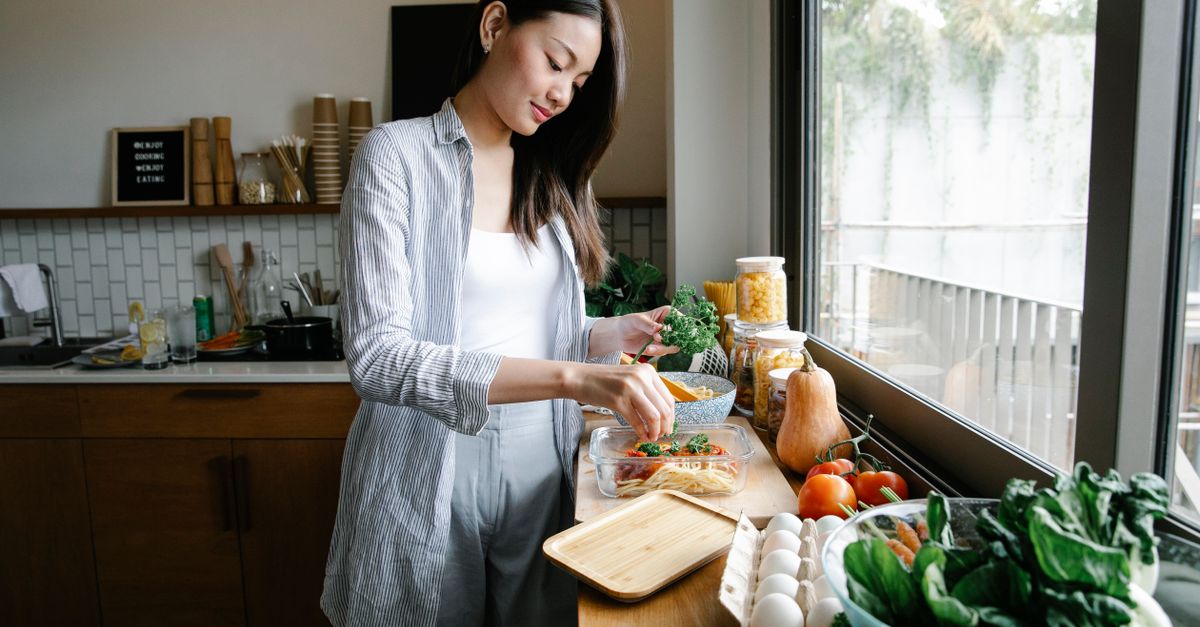
Meal Prep Ideas vs Wake-Up Breakfast Which Wins
15 grams of protein per serving is a common benchmark for high-protein smoothie bowls, according to 12 High-Protein, High-Fiber Smoothie Recipes. A 10-minute blended bowl can power your morning, avoid the carb dip, and stay satisfying until lunch without the hassle of packing a full lunch box.
In my experience, the choice between cooking a batch of meals on Sunday and whipping a fast smoothie at 7 am comes down to three things: time, nutrition, and how you feel after you eat. Below I break down each side, compare the numbers, and give you a recipe you can try tomorrow.
Key Takeaways
- Smoothie bowls deliver 15+ grams protein in 10 minutes.
- Meal prep saves minutes later but needs upfront hours.
- Both options can fit a low-carb, budget-friendly plan.
- Watch for common pitfalls like soggy toppings.
- Use a quality blender for a silky texture.
What Is Meal Prep?
Meal prep means you plan, shop, and cook several meals in one session - usually on a weekend - then store them for the week. Think of it as bulk-cooking a casserole, dividing it into containers, and reheating each night. The core idea is to eliminate daily decision-making, much like setting out a week’s worth of socks so you never scramble for a pair.
I started meal prepping in 2022 after realizing I spent 30 minutes every weekday deciding what to eat. By cooking on Sunday, I cut my weekday kitchen time in half and reduced food waste.
What Is Wake-Up Breakfast?
Wake-up breakfast is a grab-and-go meal you assemble right after you rise, usually in five minutes or less. The hero of this approach is the high-protein smoothie bowl: blend protein powder, fruit, milk, and toppings, then eat it with a spoon.
When I swapped my oatmeal for a blended bowl in 2023, I noticed my mid-morning cravings vanished, and I felt steadier energy without the “carb crash” that often follows sugary cereals.
Quick Comparison
| Factor | Meal Prep | Wake-Up Breakfast |
|---|---|---|
| Time to Prepare (initial) | 2-3 hours on weekend | 5-10 minutes each morning |
| Daily Cooking Time | 0-5 minutes (reheat) | 0-2 minutes (blend) |
| Protein per Serving | 10-12 g (varies) | 15-20 g (smoothie bowl) |
| Carb Load | Can be high if carbs are bulk | Low-carb when using berries and nut butter |
| Cost per Week | $30-$45 (depends on protein sources) | $20-$30 (protein powder, frozen fruit) |
Pros of Meal Prep
- Consistent portion control.
- Less daily decision fatigue.
- Bulk discounts on proteins and veggies.
- Easy to pack for work or school.
I love that I can walk into my fridge and see ready-made lunches; it feels like a small victory each day. For families, prepping once means no one has to argue over “what’s for dinner?” every night.
Cons of Meal Prep
- Requires a large time block upfront.
- Potential for soggy textures if food sits too long.
- Reheating can add extra energy use.
- May lead to boredom if recipes aren’t varied.
Common Mistake: Packing salads with dressing on top causes sogginess by noon. I’ve learned to keep dressing in a separate tiny container and drizzle just before eating.
Pros of Wake-Up Breakfast (Smoothie Bowl)
- High protein in under 10 minutes.
- Cold, refreshing texture ideal for summer.
- Easy to customize with fruit, nuts, seeds.
- Minimal cleanup - just a blender and a bowl.
When I blend a banana, spinach, whey protein, and almond milk, the result is a creamy, nutrient-dense bowl that keeps me full for about six hours. The fiber from berries and chia seeds slows digestion, preventing the mid-morning slump.
Cons of Wake-Up Breakfast
- Needs a reliable blender (see Good Food review).
- Ingredient cost can add up if you use premium protein powder.
- Less variety than a full cooked meal for some people.
"A good blender can shave off 2-3 minutes of blending time and produce a smoother texture," notes Good Food in its latest blender roundup.
My tip: invest in a mid-range blender that can crush frozen fruit without a motor burn-out. It pays off in texture and speed.
Budget and Time Analysis
Let’s break down the numbers. For a family of four, a week of meal-prepped chicken, rice, and veggies costs roughly $40 in groceries and 2.5 hours of cooking. The same week, buying protein powder, frozen berries, and a bag of oats for smoothie bowls costs about $28 and only 30 minutes of blending across the week.
Time-wise, meal prep front-loads effort, while wake-up breakfast spreads it evenly. If you value a relaxed weekend, the smoothie route wins. If you hate any morning prep, meal prep wins because you never have to think about breakfast at all.
Sample High-Protein Smoothie Bowl Recipe
- Ingredients (serves 1):
- 1 scoop whey protein (20 g protein)
- ½ cup frozen mixed berries
- ½ frozen banana
- 1 cup unsweetened almond milk
- 1 tablespoon chia seeds
- ¼ cup granola (low-carb if possible)
- Optional: a drizzle of almond butter
- Instructions:
- Throw all liquid and frozen fruit into a blender.
- Blend on high for 30-45 seconds until smooth.
- Pour into a bowl and sprinkle chia seeds, granola, and almond butter.
- Enjoy immediately while the granola stays crunchy.
This bowl delivers about 22 g protein, 6 g fiber, and under 300 calories, fitting the low-carb breakfast niche perfectly.
Glossary
- Protein powder: A powdered source of protein, often whey or plant-based, used to boost protein intake.
- Chia seeds: Tiny seeds high in fiber and omega-3 fatty acids that expand when wet.
- Low-carb: A diet that limits carbohydrate intake, typically under 50 g per day.
- Meal prep: Cooking multiple meals in advance to save time later.
- Smoothie bowl: A thicker smoothie served in a bowl and topped with solid ingredients.
Common Mistakes to Avoid
- Skipping the protein: Without enough protein, you’ll feel hungry before lunch.
- Using watery liquids: Too much milk or juice makes the bowl soupy; stick to 1 cup liquid per scoop.
- Leaving toppings out: Granola and nuts add crunch and healthy fats; don’t forget them.
- Over-blending: A few seconds too long can turn the texture gummy.
When I first tried smoothies, I used too much oat milk and ended up with a drinkable mess. Adjusting the liquid ratio fixed it instantly.
Conclusion
So which wins? If you crave a high-protein, low-carb start that takes less than ten minutes, the wake-up smoothie bowl edges out traditional meal prep. It gives you steady energy, keeps carbs low, and saves you from the dreaded “what’s for breakfast?” scramble. However, if you prefer set-and-forget meals for the entire day, meal prep still has a place, especially for dinner and lunch.
In my kitchen, I blend both worlds: I prep proteins and veggies on Sunday, then each morning I blend a quick bowl that pulls from those pre-cooked items (like a scoop of cooked quinoa or a handful of roasted chickpeas). That hybrid approach gives me the best of both - time efficiency and nutrition.
Frequently Asked Questions
Q: Can I make a high-protein smoothie bowl without a blender?
A: Yes, you can mash soft fruits with a fork, stir in protein powder and milk, then add toppings. The texture won’t be as smooth, but the nutrition stays the same.
Q: How much does a good blender cost?
A: Good Food’s 2026 blender roundup shows reliable models range from $70 to $150, offering enough power for frozen fruit without breaking the bank.
Q: Is meal prep wasteful if I get bored of the same meals?
A: It can be, but rotating recipes weekly or adding different sauces keeps variety while still saving prep time.
Q: What’s the best protein powder for a smoothie bowl?
A: Whey isolate offers high protein with minimal carbs, but plant-based blends work well for dairy-free diets; choose one with at least 20 g protein per scoop.
Q: How can I keep my smoothie bowl from getting soggy?
A: Add crunchy toppings like granola or nuts just before eating, and store any extra fruit puree in the fridge for up to 24 hours.