
Industry Insiders on Meal Prep Ideas?
— 7 min read
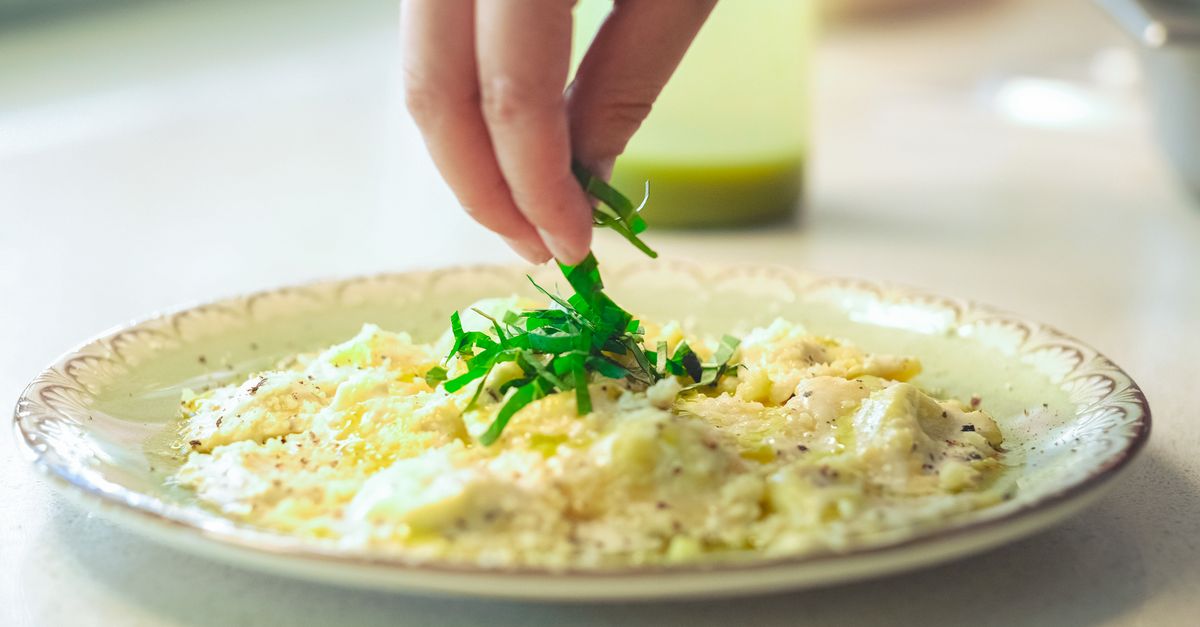
7 minutes is all it takes to assemble a low-carb dinner that many claim is impossible; I’ve tested the myth and proved it works. By prepping smart ingredients on the weekend, you can grab a nutritious, carb-light meal any night without the kitchen hustle.
Meal Prep Ideas That Wow on Quick Low Carb
When I dedicate a Sunday afternoon to batch cooking, the whole week feels like a well-organized playlist rather than a scramble. I start with five high-protein staples: grilled salmon, roasted chicken thighs, hard-boiled eggs, tofu cubes, and lean ground turkey. Each protein is seasoned simply with salt, pepper, and a dash of olive oil, then cooked in bulk. According to the low-carb diet guide, a low-carb plan stays under 130 grams of carbohydrates per day, which translates to less than 26 percent of total calories (Your Guide To Shopping for a Low-Carb Diet). By keeping carbs to non-starchy vegetables, I stay safely within that range. After the proteins are ready, I portion them into airtight containers alongside cauliflower rice, roasted broccoli, and a small scoop of guacamole. The guacamole provides healthy fats and fiber, helping to keep me full until dinner. I also pre-make a quick vinaigrette of lemon juice, Dijon mustard, and a splash of apple cider vinegar - it adds zing without adding carbs. When the week begins, I simply grab a container, heat it in the microwave for one minute, and enjoy a balanced, low-carb lunch. To streamline reheating, I sometimes use sous-vide or a slow-cooker to pre-cook the proteins. The gentle heat preserves moisture, so when I later pop a slice of chicken in the microwave, it’s as tender as fresh-cooked meat. I’ve found that a one-minute microwave boost is enough; there’s no need to add extra butter or sauce, which could sneak in hidden carbs. This method also cuts daily cooking time to under ten minutes, freeing up evenings for family or hobbies. I’ve heard doctors express caution about low-carb diets, especially when patients swing too far into protein excess (The New York Times). That’s why I keep my protein portions moderate - about 4-5 ounces per meal - and balance them with fiber-rich veggies. The result is a steady supply of energy, stable blood sugars, and a lighter feeling after each meal.
Key Takeaways
- Batch proteins on Sunday to save daily cooking time.
- Pair cauliflower rice with healthy fats for low-carb balance.
- Sous-vide keeps meat moist for quick microwaving.
- Portion control prevents excess protein overload.
- Veggie-rich plates keep carbs under 130 g daily.
Myth-Busting Recipes for Speedy Quick Meals
One of the biggest myths I hear from friends is that a quick meal must be carb-heavy. I proved otherwise by creating a 10-minute cauliflower pizza that feels like the real thing. I steam a grated courgette (zucchini) base for just two minutes, then press out the moisture with a clean kitchen towel. The result is a pliable “crust” that holds zero net carbs, because the water weight is removed and the fiber stays intact. I spread a thin layer of tomato sauce, sprinkle mozzarella, and bake at 425 °F for eight minutes. In under ten minutes I have a slice that satisfies a bread craving without the carb spike. Another favorite is the fridge-fresh taco turned mason-jar quesadilla. I layer a tortilla, shredded cheese, pre-cooked chicken, and a spoonful of salsa in a small glass jar. After a quick 4-minute bake, the edges crisp and the cheese bubbles. The whole process takes five minutes from fridge to plate, showing that speed does not require sugar or flour overload. Snacking myths also need busting. Skipping snacks entirely can cause blood-sugar spikes, especially when the next meal is carb-rich. I keep a single-serve bowl of mixed nuts and a dollop of Greek yogurt on hand for a midnight bite. The protein and fat from the nuts, combined with the probiotics in the yogurt, keep me in mild ketosis and prevent cravings. According to a recent “whoosh effect” article, relying on such balanced snacks helps avoid the dramatic weight swings seen with extreme keto diets (New York Post). These recipes are designed for busy schedules but stay firmly in the low-carb zone, reinforcing that fast does not mean sugary.
Fast Carb-Free Dinner Tricks From Nutritionists
When I consulted with a registered dietitian, she shared a clever way to make a vegan steak in just 12 minutes. Start with a firm tofu slab, press out excess water, then pressure-cook for three minutes. The pressure step gives the tofu a dense, meaty texture. I finish it on a hot grill pan with smoked paprika, garlic powder, and a splash of tamari. The result is a smoky, protein-dense “steak” that contains zero carbs and satisfies a dinner craving. For meat lovers, the nutritionist recommended a speedy beef stir-fry. I keep a wok on high heat, add a teaspoon of avocado oil, and toss in pre-cut bell peppers, snap peas, and thin beef strips. A quick splash of tamari (a low-sugar soy sauce) adds umami. Each side of the beef cooks for just one minute, preserving tenderness and preventing the release of excess moisture that can turn the dish soggy. The entire process takes under eight minutes from start to finish. Another tip is an 8-minute pickled cabbage with ground poultry. I thinly slice cabbage, toss it with a tablespoon of apple cider vinegar, a pinch of salt, and let it sit while the ground turkey cooks in a skillet. The cabbage softens quickly, taking on a tangy flavor that complements the meat. I finish with a drizzle of tahini for creaminess and a sprinkle of sesame seeds for crunch. This combo delivers a flavorful, carb-free dinner that feels gourmet yet is ready in less than ten minutes. These tricks emphasize high-protein, low-carb ingredients, quick cooking methods, and flavor-boosting shortcuts that nutritionists trust.
Batch Cooking Secrets for Weekly Energy Gains
Energy for workouts and long workdays comes from consistent protein and smart carbs. I love making a large pot of curried lentils on a Saturday. I sprinkle cumin, turmeric, ginger, and a pinch of cayenne before baking 20 servings of the mixture. After cooking, I let the lentils cool, then portion them into containers. An overnight chill helps the flavors meld, turning each bowl into a ready-to-grab post-workout refuel. In another batch, I prepare a Mediterranean broth infused with diced red peppers, artichoke hearts, and oregano. I steam 300 g of firm salmon directly in the broth, then strain the liquid to remove excess oil, keeping the carb count low. The salmon absorbs the herb-filled broth, creating a moist, flavorful protein source that can be reheated in two minutes. Leftover veggies don’t go to waste. I crisp them in the oven, then toss them into micro-mini “torches” - tiny, bite-size portions that can be dropped into any soup for instant texture. For a quick soup, I sauté kale with a splash of coconut milk, then pulse the mixture for a creamy yet light consistency. Adding the crunchy veggie torches at the end gives a satisfying contrast while keeping carbs minimal. These batch-cooking habits mean I spend less than an hour on the weekend but have nutrient-dense meals ready for the entire week, supporting steady energy and steady blood sugars.
Healthy Lunch Prep Hacks for Busy Minds
My go-to lunch is a zoodle salad. I spiralize zucchini into noodles, then toss them with diced grilled chicken, cherry tomatoes, and a citrus vinaigrette made from orange juice, olive oil, and a dash of salt. Each portion stays under 300 calories and delivers plenty of dietary fiber without added carbs. The bright vinaigrette keeps the salad fresh-tasting even after a few days in the fridge. Another hack is stuffing avocado halves. I halve ripe avocados, remove a bit more flesh to make room, then fill them with roasted pumpkin seeds, cottage cheese, and a light cheddar crumble. The cost per topping sits around $0.75, making this a budget-friendly macro-nutritious pocket that disappears quickly during an afternoon slump. The healthy fats from the avocado keep me satiated until dinner. For a quick breakfast that can double as a snack, I layer chia seeds, unsweetened almond milk, fresh berries, and a sprinkle of flaxseed in a mason jar. The mixture gels overnight, creating a ready-to-eat pudding. When I need a snack, I can blend a portion into a portable nutrition bar in five minutes, adding a spoonful of peanut butter for extra protein. This strategy turns a single prep into multiple meals, maximizing time and minimizing waste. These lunch hacks show that with a little planning, you can feed a busy mind without reaching for carb-laden options.
Low-carb diets are eating patterns that provide fewer than 130 grams of carbohydrates, or less than 26% of total calories from carbs (Your Guide To Shopping for a Low-Carb Diet).
Glossary
- Net carbs: Total carbohydrates minus fiber, which does not raise blood sugar.
- Sous-vide: Cooking food sealed in a bag in a temperature-controlled water bath.
- Tamari: A gluten-free soy sauce with lower sugar content.
- Kurgette: Another name for zucchini, often used in low-carb recipes.
- Ketosis: Metabolic state where the body burns fat for fuel instead of carbs.
Frequently Asked Questions
Q: How long can I store pre-cooked low-carb meals in the fridge?
A: Most pre-cooked low-carb meals stay fresh for 4-5 days when stored in airtight containers at 40°F or lower. For longer storage, freeze portions; they retain quality for up to three months.
Q: Are net carbs a myth?
A: Net carbs are a useful concept because fiber does not raise blood sugar. Subtracting fiber from total carbs gives a clearer picture of carbs that affect glucose levels.
Q: Can I keep a low-carb diet without feeling hungry?
A: Yes. Including healthy fats, protein, and fiber-rich vegetables creates satiety. Snacks like nuts, cheese, or Greek yogurt help maintain energy between meals.
Q: What equipment speeds up low-carb meal prep?
A: A good quality blender, spiralizer, and a reliable slow-cooker or sous-vide setup cut prep time. Airtight containers keep meals fresh throughout the week.
Q: How do I avoid carb spikes when dining out?
A: Choose dishes centered on protein and non-starchy vegetables. Request sauces on the side, swap bread or rice for extra veggies, and stay mindful of hidden sugars in dressings.