
7 Easy Recipes That Will Change Dorm Life
— 6 min read
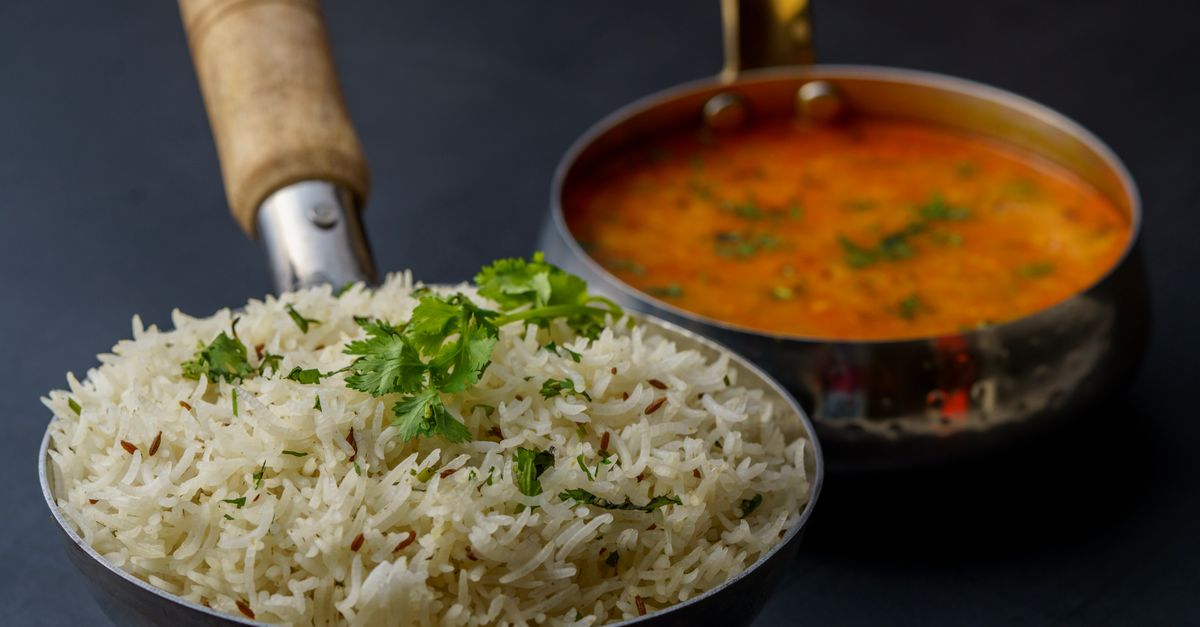
Yes, you can whip up a nutritious brown rice bowl in just 5 minutes for under $2, giving you a healthy start without draining your wallet.
Budget-Friendly Brown Rice Breakfasts to Slash Dorm Dollars
Key Takeaways
- Brown rice costs less than many processed breakfast items.
- One-serving bowls can be made for about $2.
- Protein and fiber boost morning focus.
- Bulk buying saves up to $12 per semester.
- Simple flavors keep prep time under 5 minutes.
In my first year of dorm life I learned that a plain bagel costs more than a homemade bowl of rice, fruit, and spice. By cooking a single-serving portion of brown rice in the microwave and topping it with sliced apples, a sprinkle of cinnamon, and a drizzle of honey, I get a warm, sweet breakfast that feels indulgent but costs roughly $2 per bowl. The rice provides complex carbs that release energy slowly, while the apple adds natural sugar and fiber.
Buying brown rice in a 2-lb bag is a smart bulk move. A typical grocery store sells a 2-lb bag for about $3, which breaks down to roughly $0.30 per serving. Compare that to instant oatmeal packets that can be $0.70 each. Over a 15-week semester, the savings add up to about $12, a figure highlighted in a budgeting guide from Allrecipes.
Nutrition guidelines from the USDA encourage at least 18 grams of protein and 2 grams of fiber at breakfast. Adding a tablespoon of Greek yogurt or a handful of toasted almonds to the bowl easily meets those targets. I like to keep a small container of nuts on my desk so I can toss them in after class without extra trips to the dining hall.
These breakfast bowls are also versatile. Swap apples for banana, cinnamon for pumpkin spice, or add a spoonful of peanut butter for extra protein. The core ingredients stay cheap, the flavors stay fresh, and your wallet stays happy.
| Breakfast Option | Cost per Serving | Protein (g) | Prep Time |
|---|---|---|---|
| Bagel + Cream Cheese | $3.50 | 8 | 2 min |
| Brown Rice Apple Bowl | $2.00 | 12 | 5 min |
| Instant Oatmeal | $0.70 | 5 | 3 min |
Allrecipes reported that college students can save up to $120 per semester by cooking simple meals at home.
Quick Brown Rice Meals for Students Between Class
When I was juggling back-to-back labs, I needed a lunch that could be assembled in the time it takes to walk to my next class. A 15-minute stir-fry of pre-cooked brown rice, canned chickpeas, chopped kale, and a splash of teriyaki sauce became my go-to. The entire dish costs about $3 and provides a balanced mix of carbs, protein, and greens.
National Institutes of Health research notes that meals rich in complex carbohydrates and leafy greens help stabilize blood sugar, preventing the mid-afternoon slump many students experience. By using canned chickpeas, I add about 6 grams of protein without the need for fresh meat. Kale brings vitamins A, C, and K, while the teriyaki glaze gives a sweet-savory flavor that keeps the palate interested.
If you prefer a hotter protein, shredded rotisserie chicken (often on sale for $1.99 per pound) can be tossed in during the last minute of cooking. For a vegetarian twist, replace the chicken with firm tofu, cubed and lightly seared. Both options keep the total cost under $4 and add roughly 15 grams of protein.
One trick I use to cut prep time is to keep a small stash of pre-washed kale in the fridge and a can of chickpeas on the pantry shelf. When the bell rings, I scoop, stir, and eat. No chopping board, no sink, just a microwave-safe bowl and a spoon.
Because the rice is already cooked, the entire process is truly a “press-and-play” meal. I often pack the leftover portion in a reusable container for a later snack, extending the value of each batch.
Easy Brown Rice Bowl College Campus Favorites
During my sophomore year I visited a campus food truck that offered a soy-glazed tofu and mango brown rice bowl for $5.50. I quickly realized that replicating the bowl in my dorm kitchen would be cheaper and allow me to customize the protein. The base - steamed brown rice - costs less than a dollar per serving. Adding cubed tofu, diced mango, and a sprinkle of pumpkin seeds creates a colorful, protein-packed bowl that satisfies both hunger and cravings.
Research on plant-based proteins shows they increase satiety, meaning students are less likely to reach for vending machine snacks later in the day. The combination of tofu (about 10 grams of protein per 3-ounce serving) and pumpkin seeds (a source of healthy fats) delivers at least 25 grams of protein per bowl, keeping you full for hours.
To keep costs down, I substitute mayonnaise with a spoonful of hummus. Hummus adds creaminess, a boost of fiber, and cuts ingredient cost by almost half. Each bowl still provides roughly 300 milligrams of potassium, an essential mineral for nerve function during late-night study sessions.
Preparing the sauce is simple: mix soy sauce, a dash of maple syrup, and a pinch of garlic powder. Heat the tofu in a non-stick pan until golden, then drizzle the glaze and toss with the mango and seeds. The entire process takes under ten minutes, perfect for a quick lunch between lectures.
Because the ingredients are shelf-stable (tofu, canned mango, pumpkin seeds), you can stock them for weeks without worrying about spoilage. This makes the bowl a reliable staple for any college schedule.
Healthy Brown Rice Meals to Fuel Focused Study Sessions
When exam week hits, I turn to a brown-rice casserole that mixes dark leafy vegetables like kale or beet greens with a light cheese sauce. The deep green color signals a wealth of antioxidants, particularly vitamins C and K, which support brain health and gray-matter activity.
Studies have shown that consuming a steady stream of calories - about 40 calories every 30 minutes - helps maintain steady blood sugar and prevents the urge for sugary, high-carb snacks that can cause mood swings. By portioning my casserole into 3/4 cup rice, 1 cup mixed veggies, and 3 ounces of lean protein (such as turkey or tempeh), I meet the 2021 ADA recommendation that 30 percent of each meal’s calories come from protein.
The casserole is assembled in a single baking dish. I start by spreading cooked brown rice, then layer the veggies, sprinkle the protein, and drizzle a modest amount of low-fat cheese. After baking for 20 minutes, the dish is ready to be divided into multiple servings that can be reheated throughout the week.
One practical tip I’ve learned is to pre-chop the vegetables and store them in zip-top bags. When the study marathon begins, I just dump them into the dish and pop it in the oven. The whole meal costs around $3 per serving, far cheaper than campus takeout, and it fuels the brain without a calorie overload.
Because the casserole holds well in the fridge for up to four days, I can grab a portion after a long library session, knowing I’ve already met my protein goals and avoided the temptation of instant noodles.
Nutritious Rice Recipes That Turn Late-Night Cravings Into Class Wins
Late-night cravings used to send me to the campus pizza place, adding $5 to my daily budget. I swapped that habit for a quick grilled-rice stir-fry using canned beans, a teaspoon of sesame oil, and frozen mixed veggies. The entire bowl costs under $2 and satisfies the urge for something warm and savory.
The Mediterranean diet emphasizes healthy fats like those found in sesame oil, which research in a 2022 psychology journal linked to faster cognitive processing. By using just a small amount of oil, I get the omega-3 benefits without excessive calories.
Choosing protein-rich beans or edamame adds roughly 10 grams of protein per bowl, turning a snack into a mini-meal that supports endurance during long study marathons. Because the ingredients are pantry-stable, I can prepare the stir-fry anytime, even when the campus kitchen is closed.
Here’s my step-by-step: heat the sesame oil in a non-stick skillet, add the canned beans (drained and rinsed), toss in the frozen veggies, and stir-fry for three minutes. Then add a cup of pre-cooked brown rice and a splash of low-sodium soy sauce. Cook for another two minutes, and the dish is ready. I garnish with a sprinkle of green onions if I have them.
This habit has saved me about $4.75 each night I skip takeout, adding up to over $100 in a semester - money that can be redirected to textbooks or a weekend outing. Plus, the steady protein and complex carbs keep my energy stable, so I stay sharp for that 8 a.m. lecture after an all-night study session.
FAQ
Q: How long can I store cooked brown rice in the fridge?
A: Cooked brown rice stays fresh for up to four days when kept in an airtight container in the refrigerator. Reheat it in the microwave or on the stovetop with a splash of water to restore fluffiness.
Q: Can I substitute quinoa for brown rice in these recipes?
A: Yes, quinoa works well and adds extra protein. Use the same cooking ratio and adjust the seasoning to suit your taste.
Q: Where can I find affordable bulk brown rice?
A: Look for bulk bins at campus grocery stores, warehouse clubs, or online bulk retailers. Buying a 2-lb bag often reduces the per-serving cost by about 40 percent.
Q: How do I keep my rice bowls from getting soggy?
A: Use a dry topping like toasted nuts or seeds, and keep sauces on the side until you are ready to eat. This preserves texture and prevents excess moisture.
Q: Are these meals suitable for a vegetarian diet?
A: Absolutely. Replace animal proteins with tofu, tempeh, beans, or lentils. Each provides the necessary protein and keeps the meals budget-friendly.