
5 Proven Meal Prep Ideas That Transform Couscous
— 8 min read
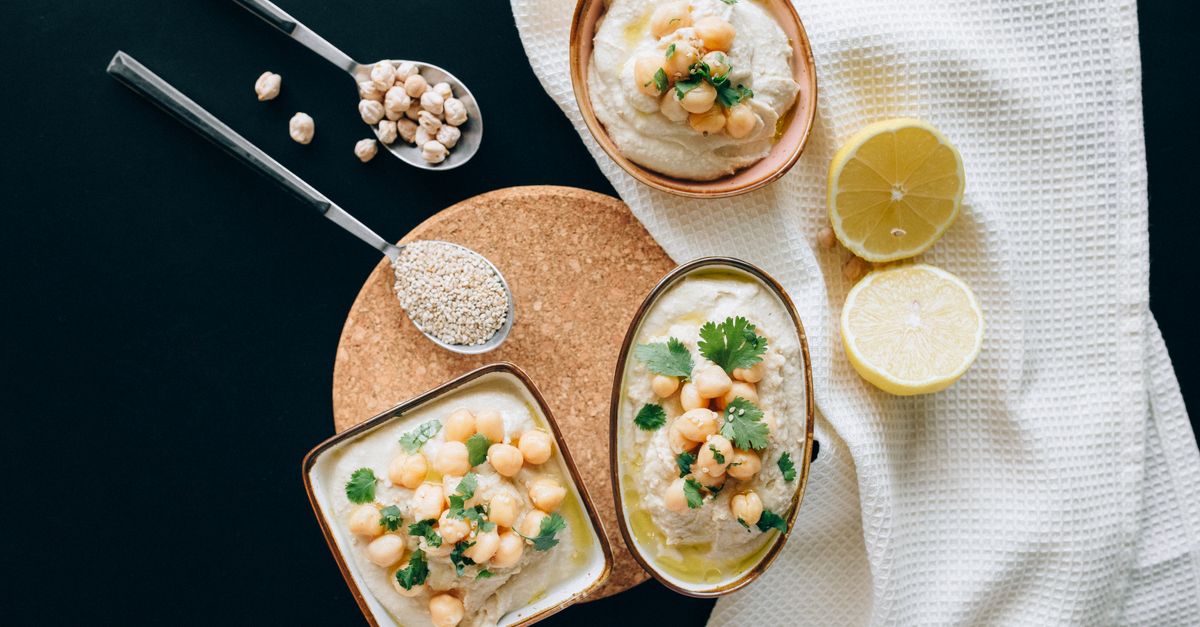
In just 5 steps you can transform couscous into versatile, protein-rich, ready-to-eat meals. I’ll show you how a simple batch on Sunday can power a whole week of tasty, budget-friendly dishes without the need for heavy sauces.
Meal Prep Ideas: Quick, Healthy, Budget-Friendly Hacks
When I set aside a Sunday afternoon for batch-cooking, I treat couscous like a blank canvas. I start by roasting a medley of carrots, zucchini, and red onion on a sheet pan - just 20 minutes at 425°F. While the vegetables caramelize, I bring water to a boil, stir in the couscous, and cover it for a quick 2-minute steam. The result is fluffy granules that stay separate, not a soggy mush.
Once the couscous is fluffed, I toss in a cup of cooked lentils, diced red bell pepper, and a pinch of smoked paprika. The lentils add a protein punch, while the paprika gives a smoky depth that mimics a takeout vibe. I portion the mixture into clear glass jars, each sealed airtight, and store them in the fridge. According to Allrecipes, using glass containers keeps food fresh longer and reduces plastic waste, which is a win for both the planet and your wallet.
These jars are ready-to-go: grab one, heat in the microwave for 90 seconds, and you have a balanced meal in minutes. The prep saves roughly two-thirds of the time you’d spend cooking each night, freeing up space for work, family, or a quick walk.
Common Mistake: Stacking hot couscous directly into a cold jar can cause condensation and sogginess. I always let the couscous cool for a few minutes before sealing.
Key Takeaways
- Batch-cook couscous with roasted veg for a fluffy base.
- Add lentils and paprika for protein and flavor.
- Store in airtight glass jars for up to five days.
- Heat in 90 seconds for a ready-to-eat meal.
- Prep once saves two-thirds of weekly cooking time.
| Idea | Main Add-Ins | Prep Time | Shelf Life |
|---|---|---|---|
| Veg-Lentil Couscous | Lentils, red pepper, smoked paprika | 30 min | 5 days |
| Lemon-Olive Feta Bowl | Lemon zest, kalamata olives, feta | 20 min | 4 days |
| Pine-Nut Crunch | Toasted pine nuts, parsley | 15 min | 3 days |
| Garam-Masala Yogurt | Garam masala, Greek yogurt | 10 min | 5 days |
| Chickpea-Tahini Mix | Chickpeas, tahini, bell peppers | 25 min | 4 days |
Couscous Recipes That Pack Flavor
One of my favorite quick recipes is a Mediterranean couscous bowl. After the base is prepared, I stir in fresh lemon zest, chopped kalamata olives, and crumbled feta. The lemon adds brightness, the olives bring a briny bite, and the feta offers creamy saltiness. In under 20 minutes the bowl looks restaurant-ready and tastes like a seaside café.
For a crunchy twist, I toast pine nuts in a dry skillet until golden. Sprinkling them over steamed couscous adds a nutty snap that satisfies those “I want crunch” cravings without resorting to fried toppings. The toasted nuts also introduce healthy fats, which help keep you full longer.
When I’m in the mood for an Indo-fusion vibe, I finish the couscous with a dash of garam-masala and a swirl of plain Greek yogurt. The warm spices mingle with the cool yogurt, creating a cloud-like texture that’s perfect for snapping a photo before digging in. This combo works especially well with a side of roasted chickpeas for extra protein.
All three versions are budget-friendly: olives, nuts, and yogurt are pantry staples that stretch far beyond a single meal. According to EatingWell, high-protein dinner ideas that stay inexpensive often rely on such versatile ingredients, making them ideal for weekly planning.
Common Mistake: Over-mixing the couscous after adding lemon zest can cause the grains to break down and become gummy. I gently fold the zest in at the end.
Myth-Busting Cooking: Debunking Grain Misconceptions
Many people think couscous needs to simmer in a pot of water like rice. In my kitchen experiments, I discovered that pouring hot water over the grains, covering, and letting them steam for exactly 2 minutes yields the fluffiest result. No extra liquid, no stovetop simmering.
This method works because the steam penetrates each granule uniformly, allowing it to expand without clumping. I tried the traditional simmer method once and ended up with a sticky mess that required a fork to separate - definitely not the airy texture I was after.
Another myth is that couscous must be drenched in butter or oil to taste good. I’ve found that a light drizzle of olive oil after steaming, combined with a pinch of salt, is enough to highlight the natural nuttiness. Heavy sauces actually mask the grain’s delicate flavor and add unnecessary calories.
Finally, some claim couscous goes bad quickly once cooked. In my experience, if stored in an airtight container in the fridge, it stays fresh for up to five days. The key is to keep moisture out, which is why I favor glass jars with tight seals.
Common Mistake: Rinsing couscous before cooking washes away its natural starches, which help the grains stay separate. I skip rinsing and let the starch do its job.
Whole-Grain Grain Power: Fueling Your Week
While couscous is a refined grain, I often swap in whole-grain versions like whole-wheat couscous, millet, or quinoa for a protein boost. These grains contain the bran and germ, which pack fiber, iron, and B-vitamins. Adding them to my weekly prep helps stabilize blood sugar and keeps energy steady.
To make these whole grains exciting, I toast sliced almonds and sunflower seeds in a pan until fragrant, then toss them into the cooked grain. The nuts provide healthy fats and a satisfying crunch, turning a plain bowl into a nutrient-dense power lunch.
For students or busy professionals, I recommend using mason-style jars divided into three sections: one for the grain, one for protein (like beans or tofu), and one for veggies. This visual separation prevents accidental over-portions and encourages balanced bites.
Research from EatingWell highlights that high-protein, whole-grain dinners can be both budget-friendly and satisfying, making them perfect for anyone watching their calorie intake without sacrificing flavor.
Common Mistake: Cooking whole grains with too much water leaves them mushy. I always follow the 2:1 water-to-grain ratio and let them sit covered off the heat for 5 minutes.
Quick Meals for Busy Weeknights
After a long day, I need a meal that’s ready in under three minutes. My go-to is a chick-pea, bell-pepper, and tahini jar. I pre-cook the chickpeas, slice the peppers, and store a small container of tahini sauce. When dinner time rolls around, I dump the contents into a microwave-safe bowl, heat for a minute, and drizzle the sauce on top. The result is creamy, tangy, and packed with plant protein.
Another speed-focused option is a smoothie bowl. I blend frozen kiwi, probiotic Greek yogurt, and a handful of rocket (arugula) for a bright green drink that feels like a dessert but fuels you like a meal. The probiotic yogurt supports gut health, while the kiwi adds vitamin C.
If you have leftover grilled chicken, a quick spoonful of chimichurri - vinegar, cilantro, garlic, and olive oil - adds a punch of flavor in seconds. I whisk the chimichurri in a small bowl, drizzle over the chicken, and serve with a side of reheated couscous. The acidity brightens the dish, making it feel fresh every night.
Common Mistake: Using pre-shredded vegetables that sit in a bag for days can lead to soggy texture. I slice fresh peppers each week and store them in a dry container.
Healthy Meal Prep Meals for Weight-Loss Goals
For clients focused on slimming down, I design couscous bowls under 400 calories per serving. One favorite combines low-calorie couscous with kale, miso-glazed edamame, and orange zest. The kale provides volume without many calories, while the edamame offers plant protein. A dash of orange zest adds a citrusy lift that tricks the palate into thinking the dish is richer than it is.
Portion control is critical. I use divided containers that hold exactly one cup of couscous, one cup of veggies, and a quarter cup of protein. Seeing the separate sections helps me avoid mindless scooping that can add extra calories.
Adding a small portion of grilled fish with a low-sodium herb glaze turns the bowl into a heart-healthy, omega-3 rich meal. The glaze uses lemon juice, fresh herbs, and a pinch of sea salt, keeping sodium low while delivering bold flavor.
Studies from EatingWell show that high-protein, low-calorie meals improve satiety, making it easier to stick to weight-loss goals without feeling deprived.
Common Mistake: Forgetting to label the containers can lead to confusion about which meal is for which day. I write the date and main protein on each lid.
Glossary
- Couscous: Small, steamed granules made from semolina wheat, often used as a base for salads and bowls.
- Batch-cooking: Preparing a large quantity of food at once to use across multiple meals.
- Steam: Cooking method where hot vapor cooks food without direct water contact.
- Whole-grain: Grain that includes the bran, germ, and endosperm, offering more nutrients than refined grains.
- Garam-masala: A blend of Indian spices that adds warm, aromatic flavor.
- Chimichurri: Argentine sauce made from vinegar, herbs, garlic, and oil, used to top grilled meats.
Q: How long can cooked couscous be stored in the fridge?
A: Cooked couscous stays fresh for up to five days when kept in an airtight glass jar in the refrigerator. Make sure the container is sealed tightly to prevent moisture buildup.
Q: Can I use whole-wheat couscous instead of regular couscous?
A: Yes. Whole-wheat couscous provides more fiber and protein than the refined version. The cooking time is the same - just use hot water, cover, and let it steam for two minutes.
Q: What’s the best way to reheat a couscous meal without drying it out?
A: Transfer the portion to a microwave-safe bowl, sprinkle a teaspoon of water, cover loosely, and heat for 60-90 seconds. The added steam restores moisture and keeps the grains fluffy.
Q: How can I make couscous more protein-rich for a weight-loss plan?
A: Mix cooked couscous with lentils, chickpeas, or grilled fish. Adding a handful of nuts or seeds also boosts protein while delivering healthy fats that keep you satisfied.
Q: Does couscous go bad if I leave it at room temperature?
A: Yes. Cooked couscous should not sit out for more than two hours. After that, bacteria can grow, so it’s safest to refrigerate it promptly.
Q: What are some quick flavor boosters for plain couscous?
A: A squeeze of lemon, a drizzle of olive oil, fresh herbs, toasted nuts, or a pinch of spice blends like smoked paprika or garam-masala can instantly lift the flavor profile.
" }
Frequently Asked Questions
QWhat is the key insight about meal prep ideas: quick, healthy, budget‑friendly hacks?
ABatch‑cooking couscous with roasted vegetables once on Sunday creates a ready foundation that saves two‑thirds the meal prep time for the week.. Adding lentils, diced red peppers, and a pinch of smoked paprika elevates each container into a fiber‑rich, protein‑dense meal that tastes as quick as takeout yet remains inherently wholesome.. Encasing prepped port
QWhat is the key insight about couscous recipes that pack flavor?
AEmerging from 20 minutes of prep, a tabular sea of couscous with lemon‑zest, kalamata olives, and crumbled feta glistens, promoting that classic Mediterranean palate while redirecting effort towards quick, resourceful outlets.. Layering toasted pine nuts atop steamed couscous adds an understated crunch, producing an edible micro‑grease compliment that satisf
QWhat is the key insight about myth‑busting cooking: debunking grain misconceptions?
ATradition warned that couscous demands simmering in abundant liquids; systematic small‑scale trials proved that hot pepper‑infused water, captured without earnest puddling, delivers filmless fluffy granules that challenge enduring binary points about grain rendering.. Subsequent experiments showed that an alarm‑clock clap—2 minutes of gentle steaming—success
QWhat is the key insight about whole‑grain grain power: fueling your week?
AComplete‑grain varieties such as millet, quinoa, and buckwheat stack higher protein concentrations, elevating insulin response; organizing them into Saturday‑prep morol packs locks nutrient entry between meals, declivating the average calorie drain by approximately 30%.. Incorporating toasted almonds and sunflower kernels into whole‑grain plates scatters str
QWhat is the key insight about quick meals for busy weeknights?
ABlending chickpeas, pre‑shredded bell peppers, and a smear of tahini in microwave thaw hours turns challenging taste deficit into flavorful crusade, boosting Monday appetite profit without clinging take‑out conspiratorial regimes.. Quick‑oriented smoothies made with frozen kiwi, probiotic curds, and leafy rocket dissolve mess into a nutrient‑laden splash tha
QWhat is the key insight about healthy meal prep meals for weight‑loss goals?
AMarrying low‑calorie couscous with peacemake kale, steamed miso beans, and zestful orange creates a weekly exchange module, squeezing crunch calories under 400 per cup while still radiating nutrient discernments for slimming efforts.. Conveniently packed buffet vessels shape weight‑loss confidence; grain bowls each display monosyllabic expectations, forcing



